

 کفپوش و سرامیک
- لوله کشی
- حمام
- ابزار کار
Most Popular
-
اره برقی برش
۲,۵۰۰,۰۰۰ تومان
-
نردبان ۴ پله
۱,۷۰۰,۰۰۰ تومان
-
چهارپایه آلومینیوم
۱,۲۰۰,۰۰۰ تومان
-
- دیگر دسته بندی ها
 کفپوش و سرامیک
 لوله کشی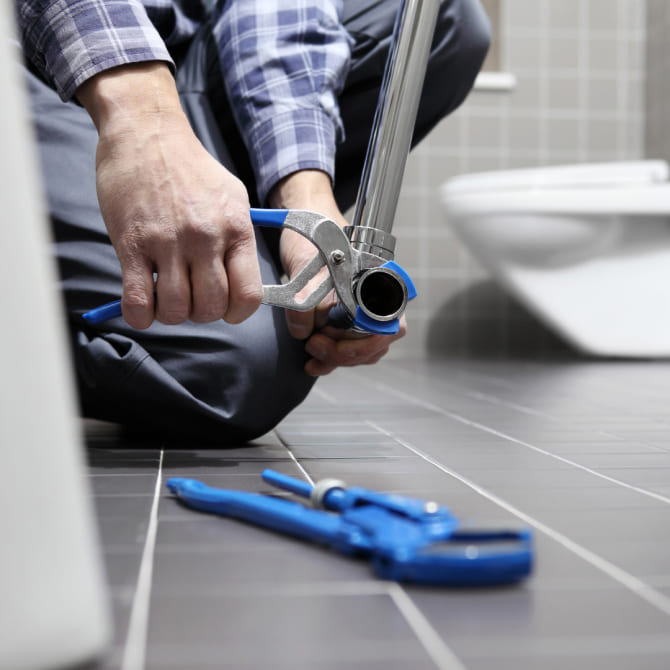
 حمام
حمام
 ابزار کار


 دیگر دسته بندی ها


Build Your Own Custom Glock With The Polymer80 BBS Kit

The Polymer80 BBS Kit offers a streamlined solution for builders seeking a high-quality, 80% lower compatible platform, enabling a custom pistol build without the need for an FFL transfer. This comprehensive kit includes precisely engineered components that simplify the finishing process, making it an ideal choice for both experienced hobbyists and newcomers to firearm assembly. Its robust design emphasizes reliability and user control, providing a **durable** foundation for a personalized handgun project.

Understanding the 80% Glock Builder Set
The 80% Glock builder set represents a strategic entry point for custom firearm construction, offering the uncompleted frame that legally requires significant finishing work. As an expert, I emphasize that successful completion demands precision jig alignment and meticulous material removal to achieve a reliably functioning handgun. You must focus on the trigger housing pin holes and the front locking block channel, where even minor errors compromise safety. Working with polymer-specialized files and a drill press yields the cleanest results. Careful deburring after drilling prevents slide drag. Thoroughly test the reset and trigger pull weight before final assembly. This process grants total grip customization while teaching you the fundamental mechanics of a striker-fired system. Always verify local compliance; the completed firearm becomes a non-serialized build requiring responsibility.
What distinguishes a BBS series from standard frames
The 80% Glock builder set offers a cost-effective route to a custom firearm, bypassing the need for a serialized receiver by starting with an unfinished frame. DIY pistol frame completion is the core appeal, requiring basic workshop skills like drilling and filing to finalize the polymer blank. This process allows you to select a personalized slide, barrel, and internal components, often saving 30-40% compared to a pre-assembled model. Key advantages include: no FFL transfer headaches, a deep understanding of your weapon’s mechanics, and the satisfaction of building it yourself. Ensure your local laws permit this before purchasing any kit. With patience and proper jigs, achieving 100% reliability is straightforward.
Key components included in the unfinished kit
An 80% Glock builder set is the core of a DIY pistol project, designed for hobbyists who want hands-on control over their firearm. This kit includes the frame—the unfinished lower receiver—which requires final machining before assembly. Building an 80% Glock pistol involves selecting quality parts for reliability. Key components in a typical builder set include:
- The 80% polymer frame with undrilled pin holes and incomplete trigger well
- Compatible slide, barrel, and guide rod (often sold separately or as a bundle)
- Lower parts kit (trigger, magazine release, slide lock)
- Drill bits, jig, or router template for finishing
Remember, this isn’t a snap-together project—it demands patience and tool accuracy. The finished piece functions like a factory Glock but offers customization and the satisfaction of building it yourself.
How the blank frame supports full customization
The heart of custom pistol crafting beats within the 80% Glock Builder Set, a foundation that transforms a simple block of polymer into a functional firearm frame through patient hands-on work. This kit typically includes the unfinished lower receiver, which requires drilling pin holes and removing tabs—a process that demands precision and focus. Unlike a complete pistol, the builder assumes responsibility for the final machining steps, making it a deeply personal project. The reward isn’t just a working weapon; it’s the quiet satisfaction of assembling your own compact, reliable tool, thread by thread, from a raw start.
Key components often included in a standard 80% Glock set:
- Unfinished lower frame – The main body, lacking critical holes and trigger housing pocket.
- Jig and drill bits – Essential alignment guides for precise drilling.
- Rail system – Metal inserts that guide the slide’s movement.

Q&A: Is this set legal to own without a serial number? In most jurisdictions, yes—provided it is not sold or transferred commercially after completion. Always check local laws before beginning your build.
Legal Landscape of 80% Frame Ownership
The legal landscape surrounding an 80% frame ownership is a complex frontier where patent law, antitrust regulation, and corporate strategy collide. In many jurisdictions, holding an 80% stake in a foundational technology frame can grant a company near-total control over downstream innovation, often triggering licensing scrutiny and antitrust concerns. Regulators may view such concentrated ownership as a bottleneck, potentially stifling competition and creating monopolistic leverage over pricing and standards.
This dominant stake transforms intellectual property from a shield of protection into a sword of market domination, forcing courts to balance innovation incentives against fair access.
The specific legality hinges on jurisdiction—some regions mandate compulsory licensing for dominant patent holders, while others rely on free-market negotiation. Dynamic shifts in case law, particularly around FRAND commitments and standard-essential patents, mean that an 80% frame owner must constantly navigate a volatile legal minefield to avoid costly injunctions or antitrust penalties.
Federal regulations surrounding unfinished receivers
The legal landscape of 80% frame ownership is a high-stakes battleground where intellectual property, corporate control, and tax strategy collide. This ownership threshold often triggers mandatory consolidation in financial reporting, forcing minority shareholders to accept diluted influence. Under U.S. securities law, crossing 80% can unlock “short-form mergers,” allowing the majority holder to squeeze out remaining investors without a shareholder vote—a powerful, aggressive move. Key regulatory risks include: antitrust scrutiny from the FTC or DOJ if the merger is monopolistic, and strict IRS rules against “control” for tax-free reorganizations. In the EU, similar thresholds activate mandatory bid rules for public companies, while China’s CSRC demands full disclosure above 80%. Litigation often flares over fair valuation during buyouts, with courts weighing fiduciary duties against contractual freedom. This is not static law; it is a dynamic weapon for strategic dominance.
State-specific restrictions to verify before purchase
The legal landscape governing 80% frame ownership hinges on the firearm’s classification under U.S. federal law, specifically the Gun Control Act of 1968. These frames are not legally considered “firearms” because they lack a serial number and are not fully completed, allowing private individuals to build them without a Federal Firearms License (FFL). However, state and local regulations vary widely, creating a compliance minefield. Understanding state-level firearm frame restrictions is crucial for lawful possession. Key legal considerations include:
- Federal Baseline: No serialization or background check required for personal manufacture, but commercial sale or transfer of completed weapons triggers standard dealer requirements.
- State Bans: States like California, New York, and New Jersey require serialization, registration, or ban unfinished frames outright.
- ATF Rule 2022-17: Expanded the definition of “frame or receiver” to include partially complete blanks, requiring licensed manufacturers to serialize and log them.
Serialization requirements and aftermarket engraving
The legal landscape for 80% frame ownership sits in a shifting gray zone, governed primarily by ATF rulings rather than the Gun Control Act of 1968. Since these unfinished receivers lack a serialized fire-control cavity, they are not legally “firearms” until fully machined. However, the 2022 “Frame or Receiver” rule redefined how the ATF classifies these parts, requiring 80% frames to be treated as firearms if they can be easily completed. Navigating ATF compliance for 80 percent lowers demands vigilance. Penalties for possession without serialization can reach felony charges. Key legal considerations include:
- State laws: California, New Jersey, and Washington now ban or restrict 80% frame sales.
- Federal registration: Since August 2022, commercial vendors must serialize and transfer through FFLs.
- Build-at-home risk: Homemade frames for personal use are still legal in most states, but must never be sold or transferred.
For hobbyists, the legal margin shrinks monthly, making compliance checks non-negotiable before purchasing or finishing any 80% frame.
Step-by-Step Assembly Workflow
The journey from boxed components to a fully functional unit is a symphony of precision. It begins with a meticulous inventory check against the parts list, ensuring every screw and panel is accounted for before the first tool is touched. Next, a logical sub-assembly phase takes center stage, where you methodically join the core frame, mount the power unit, and secure the cooling system. This foundation sets the stage for the main event: the intricate installation of the control module and wiring harnesses. Each connection is carefully locked into place, turning a tangle of cables into a neat, organized nervous system. The final dramatic act involves sealing the chassis, booting the system up, and celebrating as the indicator lights confirm a successful, dynamic build.
Tools required for frame completion and fitment
An effective step-by-step assembly workflow begins with verifying all components against the bill of materials. Each part is then inspected for defects before progressing to the staging area. Subsequent steps involve installing the base unit, securing sub-assemblies with prescribed torque specifications, and connecting wiring harnesses according to the schematic. Sequential process validation at each juncture prevents rework. Finally, a functional test confirms operational integrity before the unit proceeds to packaging. This structured approach minimizes errors and ensures consistent output quality across production batches.
Jig alignment and rear rail module installation
A meticulous assembly workflow begins not with tools, but with a thorough component inventory checklist. I first lay out every screw, bracket, and panel on a clean cloth, verifying each against the manual’s diagram. Next, I anchor the main chassis, securing it with temporary clamps to prevent wobble. Following the numbered steps, I fasten the core structure using a torque driver set to the specified Nm value—never guessing the tension. Sub-assemblies, like the motor mount and control board, are built separately on a foam mat to avoid scratches. Finally, I marry these modules to the main frame, threading cables through pre-marked channels. Each bolt is tightened in a crisscross pattern to distribute stress evenly.
Q: What’s the most common mistake?
A: Skipping the dry-fit step—forcing parts together without verifying alignment causes stripped threads and rework.
Trigger housing pin hole drilling techniques
A step-by-step assembly workflow begins by verifying all components and tools against a bill of materials. Workstations are organized to minimize movement, and sequential part orientation ensures sub-assemblies are built in a logical order. Technicians follow a printed or digital checklist that specifies torque values and alignment tolerances for each joint. After mounting the chassis, wiring harnesses are routed and secured before any electronic testing occurs. Final inspection involves a multi-point checklist, often including functional tests and visual confirmation of fastener integrity. Any defects found trigger a return to the corresponding assembly step for correction.
Selecting Compatible Slide and Barrel Options
Choosing the right slide and barrel combination transforms a standard pistol into a precision tool. Start by considering your build’s primary purpose: competition shooters often opt for ported or threaded barrels with lightweight, skeletonized slides to reduce recoil and speed up target transitions, while duty or concealed carry setups demand maximum reliability. Material compatibility is critical; match a stainless steel barrel with a stainless or nitride-coated slide for durability, but avoid mixing dissimilar metals without appropriate coatings to prevent galling. Always ensure the barrel hood fits snugly into the slide’s breech face, as excessive play causes accuracy issues. Pay close attention to caliber and length specifications—a barrel intended for a compact slide can wobble in a full-size frame. Whether crafting a race gun or a rugged workhorse, balancing weight, finish, and tolerances ensures your build performs exactly as envisioned.
G19 and G17 gen 3 slide interoperability
Selecting compatible slide and barrel options is critical for optimal firearm performance and reliability. A mismatched combination can cause malfunctions, accuracy issues, or even dangerous pressure spikes. Slide and barrel compatibility depends on caliber, locking lug engagement, and guide rod fit. For example, a 9mm barrel will not function in a .40 S&W slide due to different breech face dimensions. Aftermarket barrels must match the slide’s manufacturer profile and recoil system specifications. Always verify headspace and feed ramp geometry for flawless cycling. For custom builds, prioritize barrels with heat-treated steel and slides with precise rail tolerances. When in doubt, consult your firearm’s owner manual or a certified gunsmith to avoid costly errors.
- Verify chambering matches slide’s breech face cut.
- Ensure barrel hood length aligns with slide’s locking block.
- Check for vertical barrel play in the slide’s locking recess.
Q: Can I use a threaded barrel on a non-threaded slide?
A: Yes, as long as the barrel’s profile and locking lugs match the slide’s dimensions—no modifications needed for internal fit.
Aftermarket barrel brands that match the frame geometry
Choosing the right slide and barrel for your build is like matching a perfect key to a lock; compatibility isn’t just about brand names, but precise engineering. When I first assembled my pistol, I learned that **selecting compatible slide and barrel options** means verifying the manufacturer’s specific tolerances, such as the locking lug geometry and the hood length. A barrel that’s too tight can cause cycling failures, while a loose one kills accuracy. Most aftermarket slides are cut for “drop-in” barrels, but custom frames often require hand-fitting. I always match my barrel’s finish to the slide’s coating to reduce friction, and double-check the recoil spring weight for the chosen barrel profile. It’s a small puzzle, but solving it keeps your firearm running reliably round after round.

Slide completion kits and recoil spring assembly
When picking slide and barrel combos, focus on three things: fit, purpose, and caliber. Selecting compatible slide and barrel options ensures your build cycles reliably and shoots accurately. First, check that the slide cutout matches your barrel’s locking lug or cam path—otherwise, the action won’t lock properly. Next, consider finish; a blued barrel can wear faster inside a coated slide, while stainless pairs with most finishes. For performance, match barrel length to your slide’s recoil spring weight. A mismatch here leads to stovepipes or excessive wear. Avoid common headaches by sticking with the same manufacturer or a known drop-in brand, and always verify the barrel hood length aligns with the slide’s ejection port.
Finishing and Personalizing Your Build
Finishing and personalizing your build is where the magic truly happens. After all that careful component selection and assembly, adding your own unique flair makes the system feel like yours. Start with cable management, using zip ties or a modular PSU to keep airflow clean and unobtrusive. Then, think about custom PC aesthetics like RGB lighting zones, which can be synced via software for a cohesive theme. Don’t overlook subtle touches like custom decals, a sleek mouse bungee, or a desk mat that matches your color scheme. For those chasing quieter operation, you might swap stock fans for silent ones. Finally, ensure your operating system is installed and drivers are updated—that last software polish is just as critical as the hardware. Whether you go for a minimalist stealth look or a vibrant, “unicorn vomit” setup, this final step transforms a collection of parts into a personal statement.
Stippling patterns for improved grip texture
Once your build is assembled and running, the finishing touches transform a functional machine into a personalized powerhouse. Custom PC cable management is the first critical step; routing cables neatly behind the motherboard tray not only improves airflow but creates a clean, professional aesthetic. Next, consider your cooling solution: install premium case fans for optimal thermal performance and optionally replace stock CPU coolers with liquid or high-end air units for quieter, more efficient operation.
- Software setup: Install your OS, then update all chipset, GPU, and BIOS drivers before overclocking or tuning fan curves.
- Aesthetics: Add RGB lighting strips or a synced ecosystem for visual flair, and use cable combs to keep sleeved extensions perfectly aligned.
- Performance verification: Run stability tests for at least 30 minutes to confirm temperatures and voltages remain within safe limits.
Q: When should I apply thermal paste?
A: Apply a pea-sized dot directly onto the CPU before mounting your cooler. Avoid spreading it manually—pressure from the cooler will distribute it evenly.
Cerakote application tips for the polymer surface
The moment you slot the final component, the build transitions from assembly to identity. Cable management transforms a tangle of wires into a clean, breathable chassis, improving airflow and aesthetics. Next, thermal paste application becomes a ritual—a precise pea-sized drop ensuring your CPU breathes cool under load. Custom PC finishing touches emerge through subtle choices: aligning RGB strips for a unified glow, replacing stock fans with silent alternatives, or adding a GPU support bracket to prevent sag. You might install custom sleeved cables in a signature color, or apply a vinyl decal to the glass panel. Each adjustment whispers your preferences, turning a mere machine into a quiet reflection of the builder’s patience and pride.
Installing extended controls and magazine releases
The final stage of any project transforms a functional setup into a truly personal statement. Finishing your build involves meticulous cable management and ensuring all components are seated correctly, but the real magic happens when you add your signature. Personalizing your custom PC setup starts with aesthetic choices like RGB lighting strips or custom cable sleeves. Consider these key additions to elevate your workspace:
- Sculpted artisan keycaps that change typing feel.
- Decorative GPU backplates or a custom water-cooling loop with colored coolant.
- Mouse bungees and coiled cables for clean, retro styling.
Even small touches, such as a themed desk mat or a minimalist case badge, create a cohesive look that reflects your personality. The goal is a system that feels uniquely yours, balancing high performance with visual flair.
Troubleshooting Common Fitment Issues
When the gleaming new wheel finally arrived, its promise of transformation hung in the air—until the tires rubbed against the fender liner on the first turn. Troubleshooting common fitment issues starts with the wheel’s offset and width; a wheel pushed too far outward or too far inward can cause disastrous rubbing against the fender or suspension. The solution often lies in measuring backspacing, where just a few millimeters of difference can make or break the stance. For lifted trucks, a dropped pitman arm or adjustable track bar corrects steering geometry after a suspension lift. Always check the center bore—hub-centric rings save headaches when the wheel diameter doesn’t match the hub. Remember, proper **fitment guidance** begins with a test-fit before committing to tires and hardware.
Q: What is the most overlooked cause of fitment issues?
A: The wheel’s center bore. An incorrectly sized bore can cause vibrations and unsafe driving, even if the bolt pattern matches.
Fixing trigger reset failures after assembly
Troubleshooting common fitment issues often begins with verifying your vehicle’s exact year, make, and model against the part’s specifications. Proper alignment during installation prevents premature wear and safety risks; incorrect lug nut torque or bracket positioning can cause vibrations or component failure. For aftermarket wheels, check hub bore size and offset—using a hub-centric ring can eliminate wobbling. Lowered suspensions may require adjustable control arms to restore correct geometry and avoid tire rubbing. Always inspect bushings and bolts for damage before reassembly.
If a part doesn’t line up, try loosening all bolts slightly, wiggling the component, then tightening in a cross-pattern. For persistent gaps, verify you haven’t missed included spacers or adapters.
- Check bolt pattern and thread pitch first.
- Use a thread chaser to clean bolt holes.
- Consult a fitment guide for aftermarket parts.
Q: My new wheel sits too far inward—what gives?
A: Likely wrong offset or backspacing. Compare with your original wheel specs, or install a hub-centric spacer to push it outward safely.
Remediating slide binding on the front rail
Troubleshooting common fitment issues starts with identifying the culprit—usually warped boards, uneven subfloors, or improper expansion gaps. Uneven subfloors are a primary cause of gapping and buckling. Before installation, use a 6-foot level to check for dips or humps; any variance over 1/8 inch requires self-leveling compound or sanding. For floating floors, ensure at least a 1/4-inch expansion gap around walls, or boards will press against each other and cup. Acclimate planks in the room for 48 hours to stabilize moisture content—skipping this leads to seasonal swelling or shrinkage. If boards still feel tight or click incorrectly, examine your locking mechanism alignment and tap gently with a tapping block, not directly, to avoid damaging the edge. Address these points early to avoid costly rework.
Correcting slide lock lever misalignment
When tackling common fitment issues, start by verifying the vehicle’s year, make, and model against the part’s specifications. Measure bolt patterns and offsets precisely, as even a 5mm gap can cause rubbing or unsafe clearance. Loose components often mean mismatched hardware, not a defective part. For wheels, check hub bore diameter and use centering rings if necessary; for suspension, ensure strut mounts and bushings align without force. Common fixes include:

- Inspecting for bent or damaged brackets
- Loosening all bolts before final torque
- Using anti-seize on seized fasteners
Always test-fit parts before full assembly, and consult online resources for model-specific quirks. A patient approach transforms stubborn installations into precision results.
Maintenance and Reliability Upgrades
Maintenance and reliability upgrades are really about giving your equipment a longer, healthier life without constant headaches. Instead of just fixing things when they break, you focus on predictive maintenance strategies that use data to spot trouble before it happens. This could mean swapping out worn bearings during scheduled downtime or installing better vibration monitors on your motors. The payoff? Fewer surprise breakdowns, lower repair bills, and smoother production runs. Plus, enhanced system reliability directly boosts customer trust by ensuring you hit delivery deadlines every time. It’s less about fancy tech and more about smart, consistent habits—like checking alignment, updating software, and training your team. Simple changes, like using higher-grade lubricants or upgrading control panels, can save you thousands over a year.
Recommended lubrication points for a new frame
Regular maintenance and reliability upgrades keep your equipment running smoothly and prevent costly breakdowns. By scheduling routine inspections and swapping out aging parts, you extend the lifespan of critical assets like pumps or conveyor systems. This proactive approach, centered on predictive maintenance strategies, reduces unplanned downtime and boosts overall efficiency. Simple upgrades—such as installing vibration sensors or upgrading to energy-efficient motors—often deliver quick returns. For example:
- Replace worn bearings before they seize.
- Use thermal imaging to spot overheating components.
- Apply lubricants based on real-time data, not guesswork.
These steps help facilities stay reliable, safe, and cost-effective without overcomplicating the routine.
Upgrading extractor and firing pin safety plunger
To extend asset lifespan and minimize costly downtime, prioritize predictive maintenance strategies using vibration analysis and thermography. These technologies identify component wear before failure occurs. Key upgrades include replacing aged single-block bearings with split-cylinder designs for faster replacements and installing IoT sensors on critical pumps and motors. For reliability, implement a standard operating procedure for precision alignment and lubrication intervals.
- Upgrade to high-temperature grease seals for conveyors operating above 80°C.
- Apply torque-controlled software to prevent over-tightening on rotating assemblies.
- Schedule quarterly ultrasonic inspections on steam traps and pressure vessels.
Adopting these measures reduces mean time between failures and directly improves overall equipment effectiveness without overcomplicating the core maintenance plan.
Breaking in the assembly with cycle testing
Maintenance and reliability upgrades are essential for extending asset lifespan and preventing costly downtime. By integrating predictive diagnostics and condition-based monitoring, facilities can shift from reactive repairs to proactive preservation. Common upgrades include vibration analysis, oil testing, and thermal imaging, which identify failure before it occurs. Investing in these improvements directly reduces emergency repairs and operational interruptions. A structured reliability program also optimizes spare P80 parts management and workforce scheduling. The result is a measurable increase in equipment uptime and a stronger return on capital assets. Companies that prioritize these upgrades gain a competitive edge through consistent, uninterrupted production.
Community Resources and Build Documentation
Community resources for maker spaces and open-source hardware projects typically include shared tool libraries, online forums, and local workshops that reduce individual costs and foster collaborative problem-solving. When building a device, thorough build documentation is essential: it should detail assembly steps, bill of materials, troubleshooting guides, and safety notes. Comprehensive documentation ensures reproducibility, lowers entry barriers for newcomers, and supports long-term project maintenance. Many communities host these resources on wikis or GitHub repositories, allowing for version control and crowd-sourced updates.
Q&A: How can I find community resources for my project? Start by searching for location-specific maker groups on Meetup or visiting local tech co-ops. What belongs in good build documentation? Clear photographs, labeled diagrams, error codes, and a list of compatible replacement parts.
Online forums dedicated to 80% firearm projects
Effective community resources management begins with systematic build documentation. Standardize all build instructions, environment configurations, and dependency lists in a dedicated repository, using README files and version-controlled changelogs. This ensures new contributors can replicate setups without friction. Common pitfalls include omitting OS-specific steps or failing to update docs after code changes.
- Use Markdown or AsciiDoc for readability.
- Include a troubleshooting section with known issues.
- Link to community forums or Discord for real-time support.
Q: How often should we update build documentation?
A: Update it with every major release or whenever a dependency shifts. Outdated docs waste developer hours and erode trust in the community.
Video tutorials covering jig modifications
Community resources are the lifeblood of any successful development project, offering ready-made solutions, plugins, and troubleshooting support. Tapping into forums, GitHub repositories, and official extension directories accelerates problem-solving and reduces redundant work. To maximize their value, you must pair them with solid build documentation. This means keeping a clear record of dependencies, custom configurations, and integration steps. Without it, even the best community tools become unusable after a developer leaves or a system update rolls out.
- Locate official community channels (e.g., Discord, Stack Overflow).
- Document each external resource used, including version numbers.
- Test documented steps on a clean environment before publishing.
Q: How often should build documentation be updated?
A: Every time a dependency changes or a new community resource is integrated. Stale docs cause more confusion than no docs.

USPSA and IDPA classification for custom builds
Community resources are essential for fostering local development and providing accessible support networks. These assets, including public libraries, nonprofit organizations, and volunteer groups, offer services ranging from food assistance and educational workshops to job training and healthcare referrals. Leveraging community resources effectively reduces social isolation and empowers residents to address shared challenges collaboratively.
Build documentation serves as the structural foundation for any physical project, detailing material specifications, assembly procedures, and safety protocols. Accurate records ensure consistency across teams and help prevent costly errors during construction or renovation. Standardized build documentation improves project efficiency by clearly communicating every phase from foundation to finish, enabling stakeholders to verify compliance with regulations and streamline inspections.
