

 کفپوش و سرامیک
- لوله کشی
- حمام
- ابزار کار
Most Popular
-
اره برقی برش
۲,۵۰۰,۰۰۰ تومان
-
نردبان ۴ پله
۱,۷۰۰,۰۰۰ تومان
-
چهارپایه آلومینیوم
۱,۲۰۰,۰۰۰ تومان
-
- دیگر دسته بندی ها
 کفپوش و سرامیک
 لوله کشی
 حمام
حمام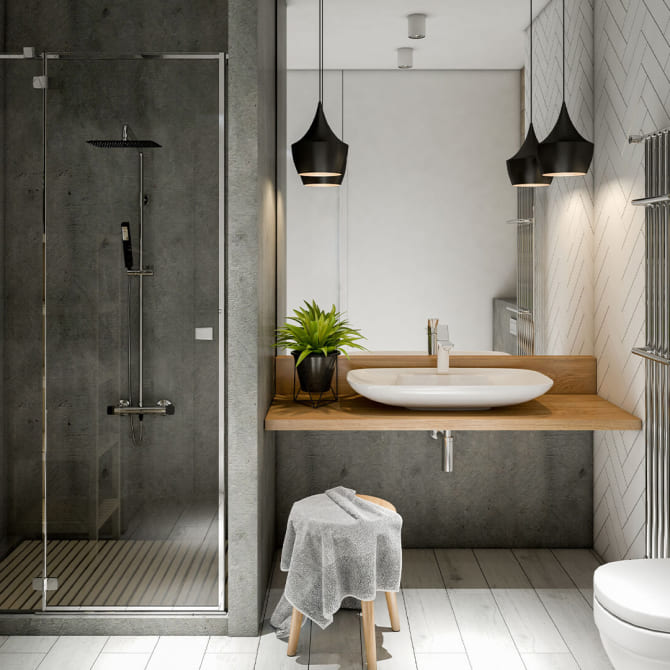
 ابزار کار


 دیگر دسته بندی ها


Training Smart Puppies for Lifelong Learning and Social Skills Development

Begin with puppy preschool sessions, where young canines learn in a supportive environment. Here, they develop foundational skills that set the tone for future behaviors.
In these early classes, instructors focus on basic obedience through fun, engaging methods. This atmosphere encourages pups to respond eagerly to commands while building confidence.
Utilizing positive reinforcement, trainers reward desirable actions, instilling a sense of achievement in each furry learner. With patience and consistency, these formative experiences shape well-mannered companions.
Techniques for Positive Reinforcement in Puppy Training
One effective method for fostering basic obedience is the use of treats as a reward. When your furry companion successfully follows a command, offering a small, tasty morsel strengthens the desired behavior. This tangible incentive encourages consistent responsiveness, making learning enjoyable for both the dog and the owner.
Incorporating praise is another powerful tool in the arsenal of behavioral shaping. Verbal affirmations, along with enthusiastic petting, can significantly boost a puppy’s confidence. This form of encouragement not only reinforces a positive experience but also fosters a strong bond between the two of you, enhancing the overall training process.
| Technique | Description |
|---|---|
| Treat Rewards | Utilizing small snacks to reinforce successful commands. |
| Verbal Praise | Encouraging the puppy with positive affirmations and affection. |
| Clicker Training | Using a click sound to mark desired behaviors followed by a reward. |
| Playtime | Rewarding good behavior with play sessions to reinforce learning. |
Attending a puppy preschool can greatly enhance the learning experience through social interaction. These classes provide an environment rich in stimulation where young canines learn to respond positively to commands while engaging with peers. The combination of play and training not only solidifies basic obedience but also nurtures a well-rounded and sociable pet.
Strategies for Early Socialization with Other Dogs
Enroll your young canine in a preschool setting tailored for pups. This environment provides opportunities to interact with their peers under the supervision of professionals, fostering connections through play and exploration. Social encounters within a controlled atmosphere can significantly boost confidence and comfort around unfamiliar canines.
Incorporate basic obedience lessons into your socialization practices. Teaching commands such as sit, stay, and come not only enhances communication between you and your pet but also instills discipline. This foundation allows for smoother interactions when meeting other dogs, ensuring that your companion understands expectations in social situations.
- Utilize positive reinforcement techniques to reward desirable behavior during encounters.
- Encourage play while maintaining a calm demeanor; this creates a safe space for interaction.
- Gradually increase exposure to various environments and dog breeds, ensuring each experience is comfortable.
Common Behavioral Issues and Their Solutions in Puppies
Address excessive barking by teaching leave-it commands through positive reinforcement. This method encourages quietness, rewarding calmly relaxed behavior.
Jumping on people is a common issue. Redirect this behavior with relaxed greetings. Use basic obedience techniques to train your pup to sit and wait before interacting with visitors.
Chewing on inappropriate items can be managed by providing suitable toys. Encourage your young canine to use their energy on designated objects instead of furniture or footwear.
Puppy preschool can significantly aid in socialization. Engaging with other canines and people promotes confidence, reducing fear-based behaviors.
Leash pulling is another challenge faced by many owners. Implement training sessions that focus on walking at a steady pace with rewards for loose-leash walking, fostering good habits.
Building a Structured Routine for Optimal Puppy Development
Create a consistent daily schedule that balances playtime, meals, and rest. This structure helps young canines feel secure, which is vital for their growth.
Incorporate puppy preschool sessions at an early age. These classes not only provide training but also help in developing social skills with other dogs and humans, creating a confident companion.
Establish designated times for feeding to regulate energy levels. Consistency in meals supports digestion and ensures your pet stays healthy.
Utilize positive reinforcement during training to encourage desired behaviors. Rewarding good conduct with treats or praise instills a sense of achievement in the young canine.
Timing play sessions is equally important. Regular outdoor activities stimulate mental and physical development, promoting well-rounded growth.
Incorporating socialization opportunities is key. Introduce your puppy to various environments and experiences to build adaptability and reduce anxiety in unfamiliar situations.
Set aside quiet time for relaxation. This helps in balancing activity and rest, providing your furry friend with the necessary downtime to recharge.
For more resources on training and social engagement, visit https://getsmartdogsau.com/. Following a structured routine significantly enhances both learning and bonding with your canine companion.
Questions and answers:
What are the key components of expert puppy training?
Expert puppy training typically includes several components such as basic obedience commands, house training, and socialization. Trainers often focus on teaching commands like ‘sit’, ‘stay’, and ‘come’, which form the foundation for good behavior. House training involves establishing a routine for bathroom breaks, which can help prevent accidents indoors. Socialization is also crucial, as it exposes a puppy to various environments, animals, and people, helping them develop positive interactions and reduce fearfulness.
How important is socialization for puppies, and how can it be achieved?
Socialization is extremely significant for puppies, as it helps them adapt to different situations and reduces anxiety later in life. To achieve effective socialization, owners should expose their puppies to various environments, sounds, experiences, and people, especially during the critical early weeks of their development. Puppy classes can also be beneficial, providing controlled environments for interaction with other dogs and people, which can help build confidence and acceptable social behavior.
At what age should puppy training start, and why?
Puppy training can start as early as eight weeks old. At this age, puppies are highly receptive to learning and can absorb new information quickly. Early training helps establish good habits and behaviors while the puppy is still mentally malleable. Furthermore, starting training early can prevent the development of negative behaviors, which can become harder to correct later. It’s an excellent opportunity for owners to build a strong bond with their puppies while teaching them essential skills.
What techniques are effective for teaching a puppy basic commands?
Effective techniques for teaching a puppy basic commands include positive reinforcement, consistency, and patience. Positive reinforcement involves rewarding the puppy with treats or praise when they successfully perform a command. Consistency is key; using the same commands and gestures each time helps the puppy understand what is expected. Additionally, keeping training sessions short and engaging ensures that the puppy remains focused and eager to learn. Incorporating play can also make training enjoyable for both the puppy and the trainer.
Can problem behaviors, like chewing or barking, be addressed during puppy training?
Yes, addressing problem behaviors such as chewing or excessive barking can and should be part of puppy training. Identifying the cause of these behaviors is essential; for instance, chewing may stem from boredom or teething. Providing appropriate chew toys, exercise, and mental stimulation can help redirect this behavior. For barking, it’s important to determine whether it’s due to boredom, anxiety, or a response to stimuli. Teaching the ‘quiet’ command and rewarding the puppy for being calm can help manage excessive barking. Consistent training and setting clear boundaries can significantly reduce these issues over time.
What are the key benefits of expert puppy training for my dog?
Expert puppy training offers numerous advantages for both the dog and the owner. First and foremost, it helps establish a strong bond between the dog and its owner through positive reinforcement techniques. This approach encourages good behavior and helps the puppy learn commands more effectively. Additionally, professional trainers can tailor the training to address the specific needs and temperament of your puppy, ensuring a more personalized experience. Socialization is another benefit; well-trained puppies are generally more confident and well-adjusted in different environments and around various people and other animals. This can result in a more pleasant experience during outings, reducing anxiety and fear-based reactions. Moreover, a well-trained dog is typically safer, as they can respond appropriately to commands, potentially avoiding dangerous situations. Lastly, early training can prevent behavioral issues down the line, leading to a happier and more harmonious household.
